The right web designer should understand your business problem before recommending colors, layouts, or technology.
A portfolio matters, but it is only one part of the decision. Use the checks below to compare providers on strategy, communication, delivery, and long-term support.
1. Define what the website must achieve
Decide whether the priority is generating enquiries, selling products, explaining services, booking appointments, or supporting existing customers. List the essential pages and functions before requesting proposals.
2. Review relevant live work
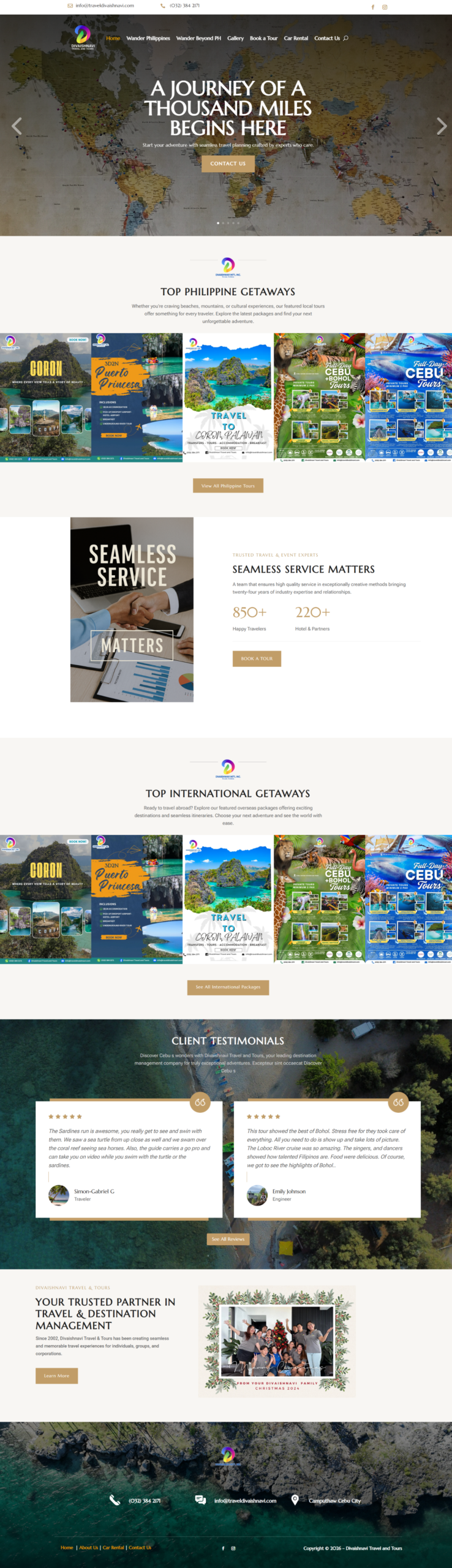
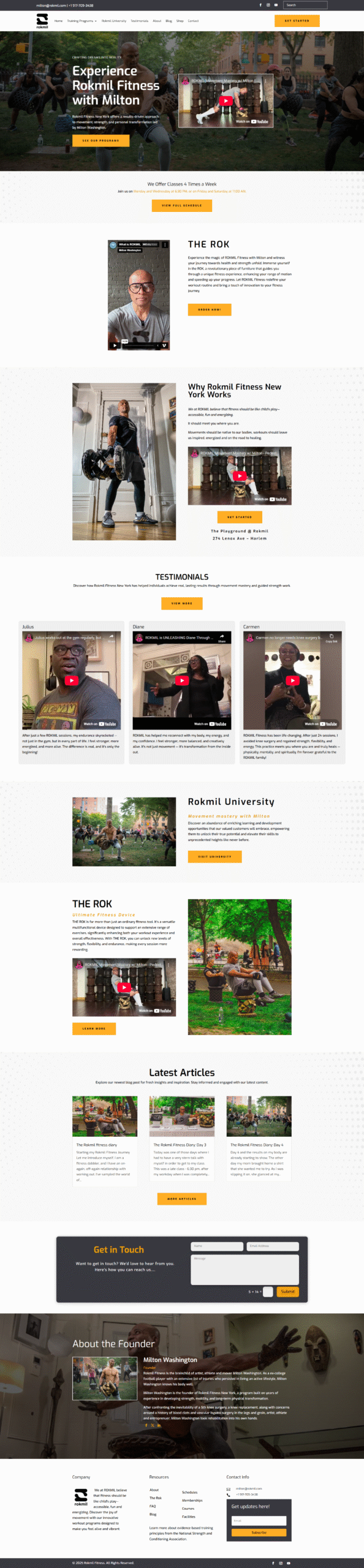
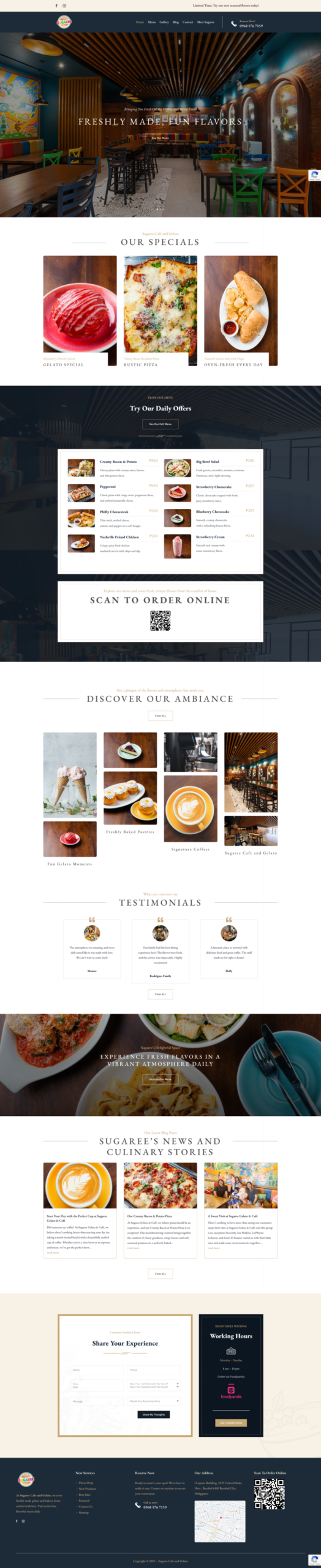
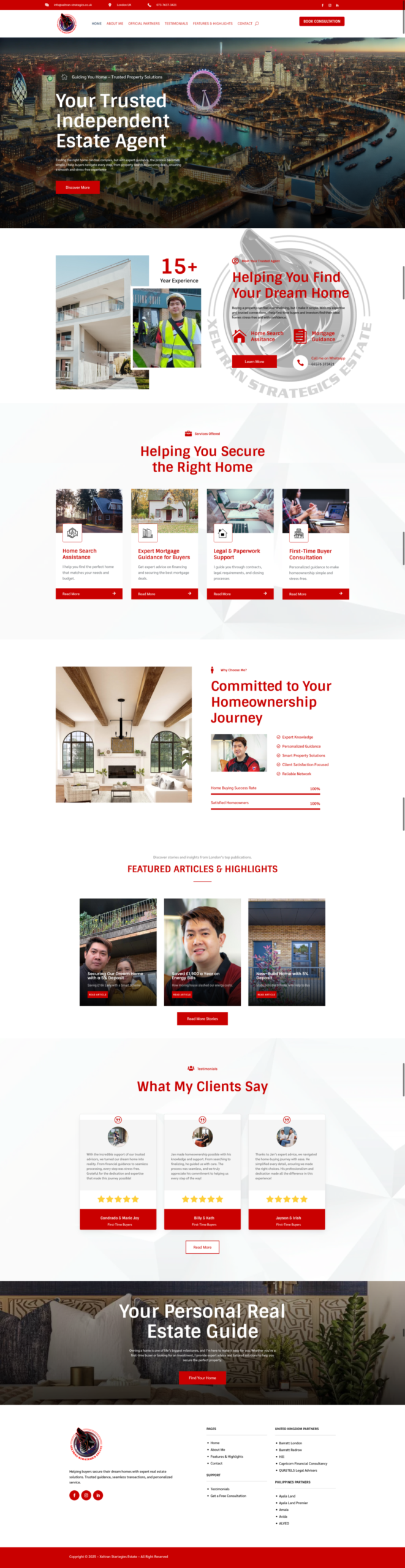
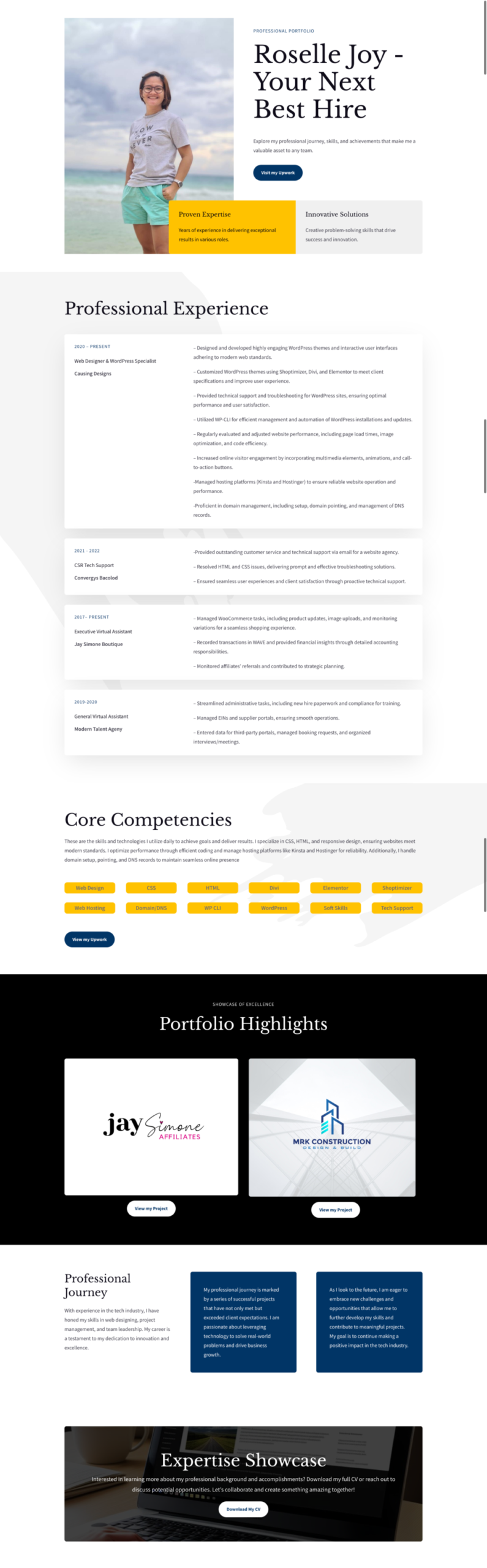
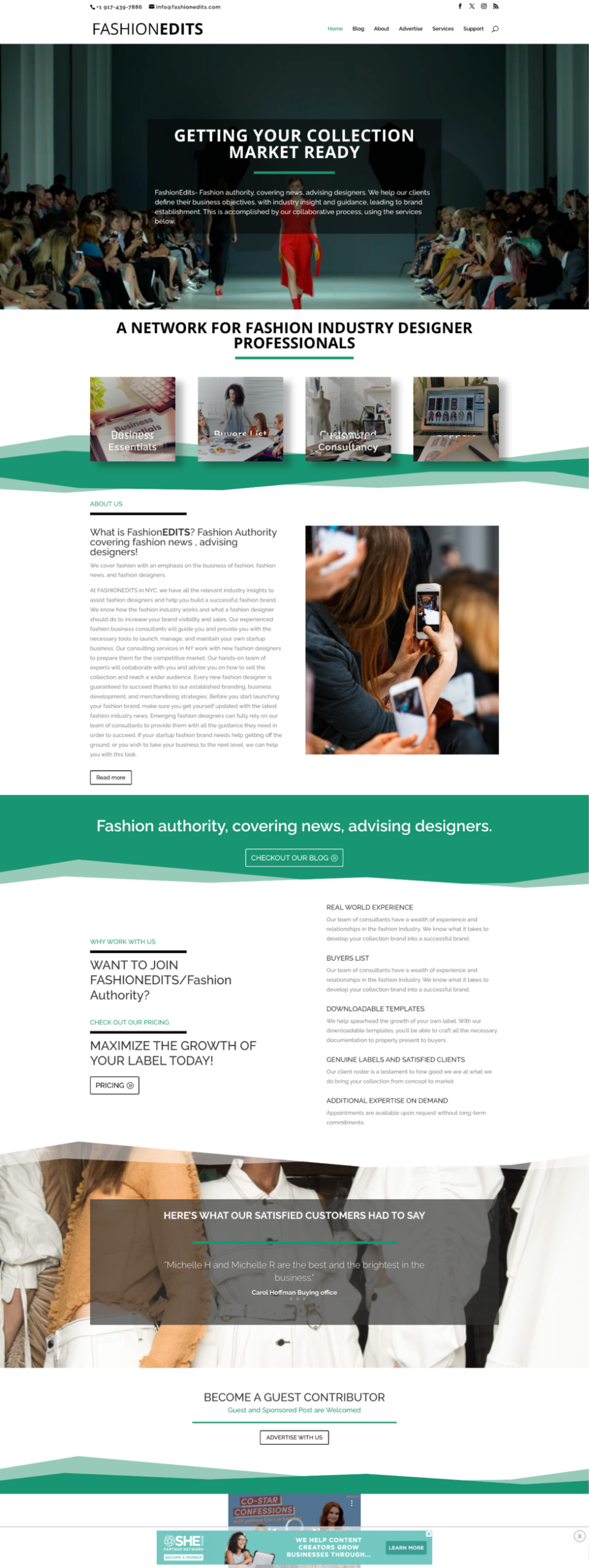
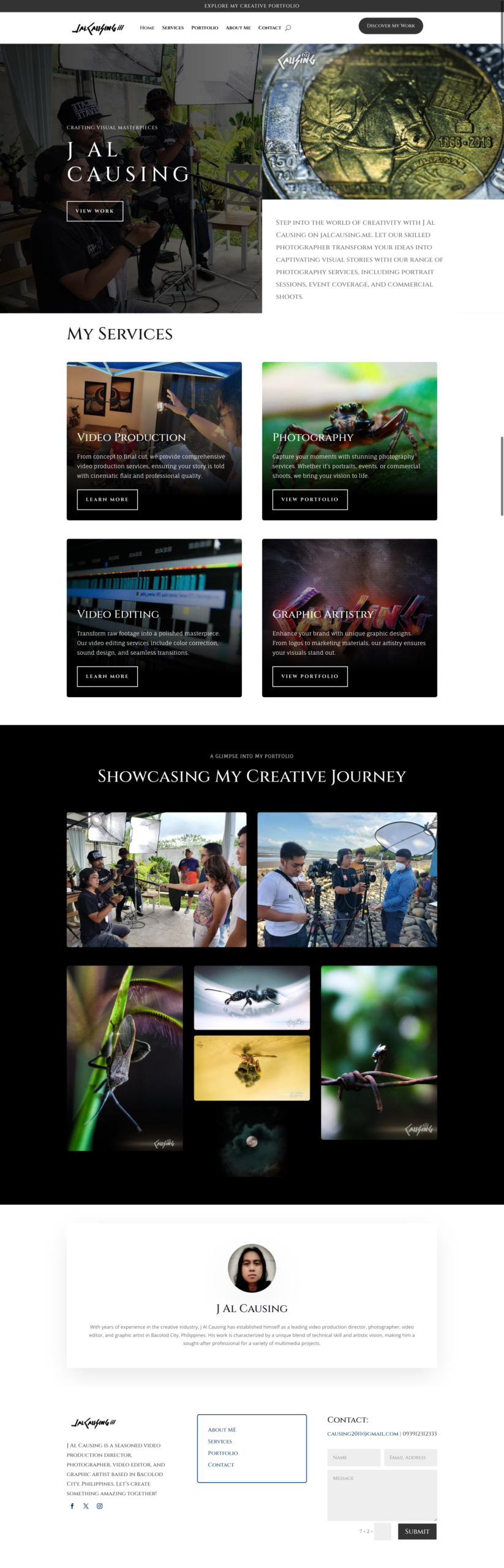
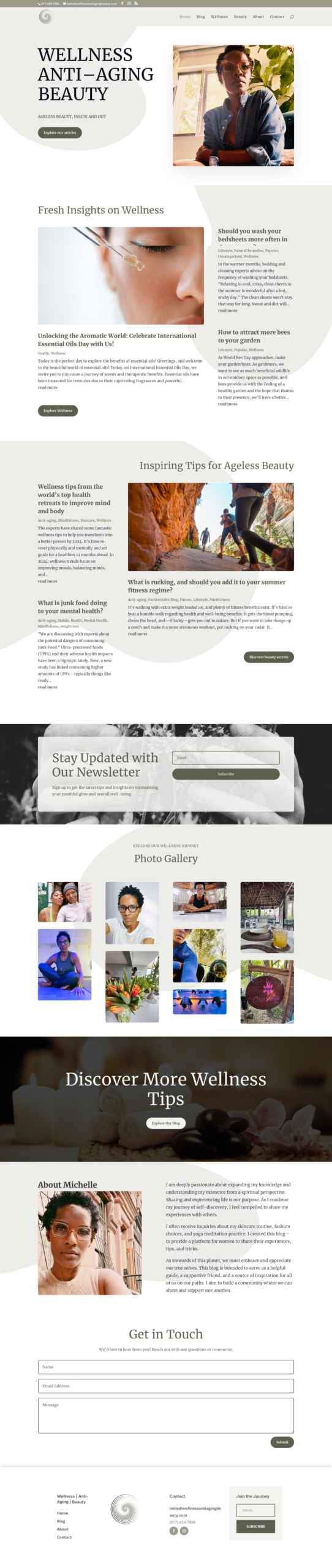
Open completed websites on both desktop and mobile. Check whether the navigation is clear, pages load reliably, and calls to action make sense. Ask what the designer was responsible for and what business problem the project addressed.
3. Ask how discovery and content work
A good process should identify your audience, offers, competitors, brand, and customer questions. Clarify who writes the copy, supplies images, approves pages, and enters final content.
4. Compare scope, not just the total price
Proposals can include different numbers of pages, revision rounds, integrations, licenses, and support. Confirm what is included, what counts as extra work, and how changes are priced.
5. Discuss mobile design, speed, and SEO
Ask how the site will work on phones, how images will be optimized, and who handles titles, descriptions, headings, redirects, structured data, analytics, and Search Console. SEO is not a single plugin setting; it begins with the site structure and content.
6. Confirm ownership and access
Your business should know who owns the domain, hosting account, website files, content, analytics, and third-party licenses. The handover process should be written into the agreement.
7. Evaluate communication
Notice whether the designer asks specific questions, explains tradeoffs clearly, and documents decisions. Agree on the communication channel, response expectations, milestones, and person responsible for approvals.
8. Understand support after launch
Websites need updates, backups, monitoring, and occasional content changes. Ask what support is available after launch, what it costs, and what your team will be trained to manage.
How much input should you provide?
You should lead on business goals, customer knowledge, brand accuracy, and final approval. The designer should lead on usability, responsive behavior, accessibility, and technical implementation. Strong projects are collaborative without turning every design decision into guesswork.
See how Causing Designs approaches real client work in our portfolio, then request a free demo if you would like to discuss your project.