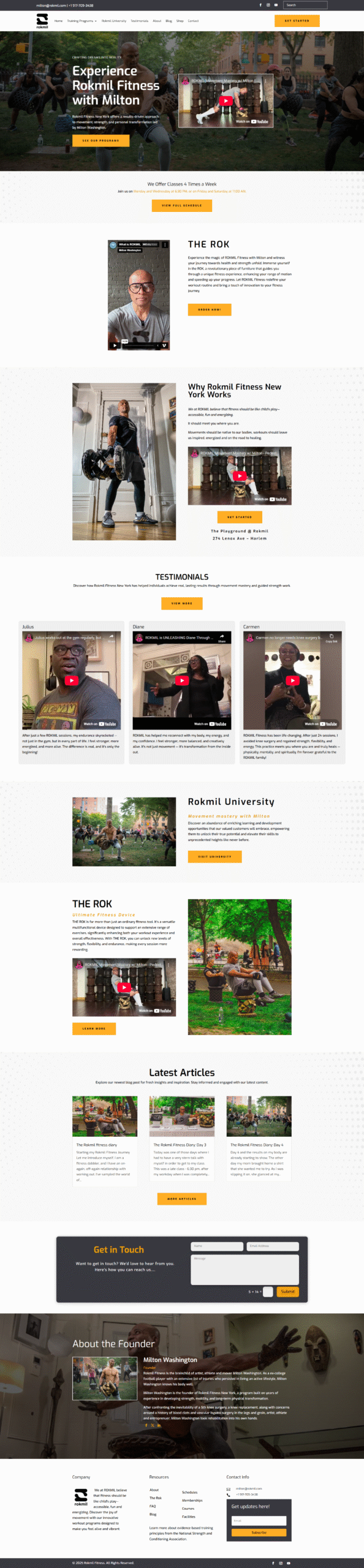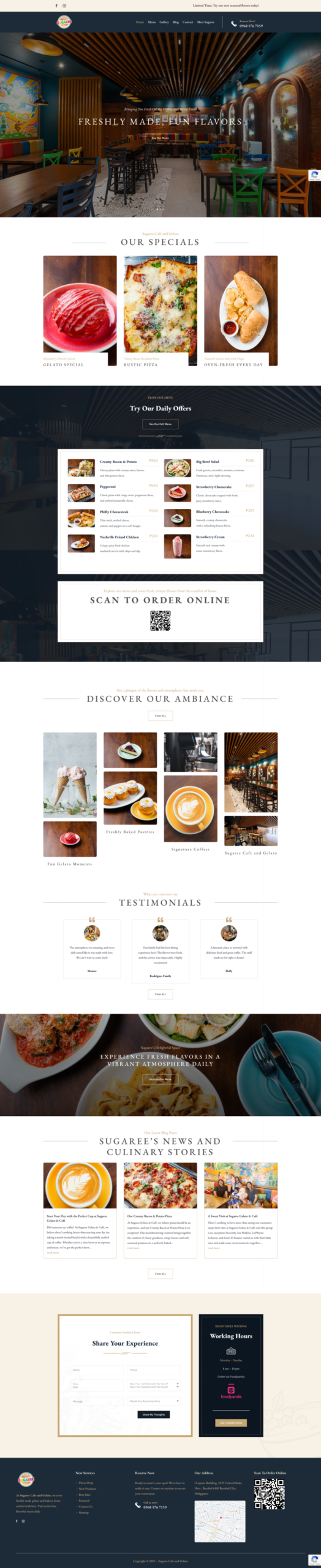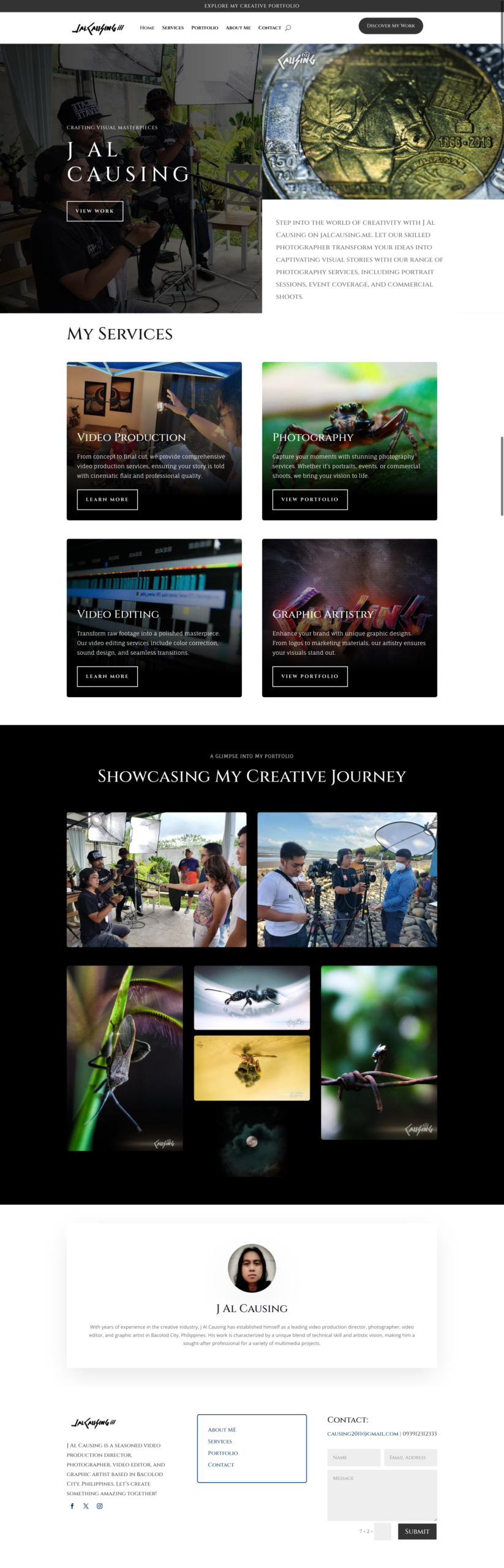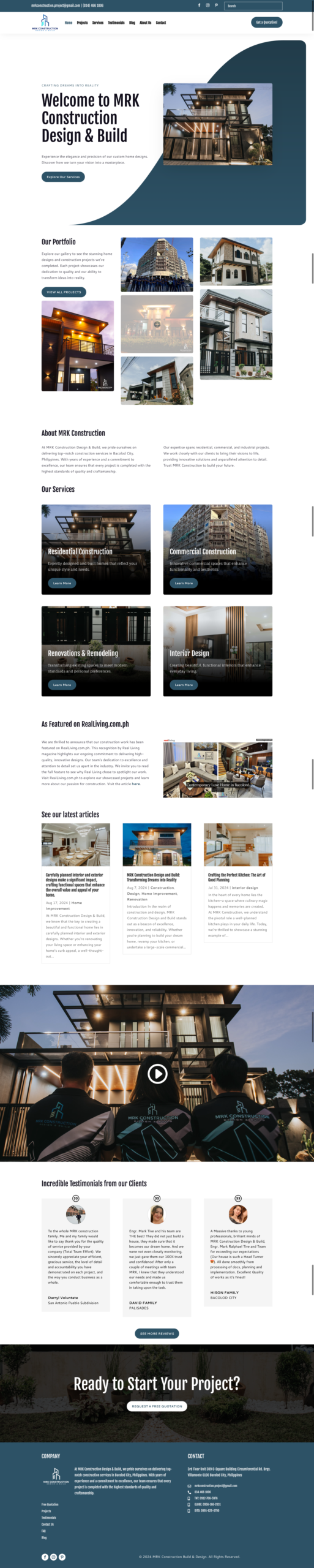
A professional website does not have one fixed price because the work depends on your goals, content, functionality, and the level of support required after launch.
The most useful way to budget for a website is to define what the site must accomplish. A small service business that needs five focused pages has very different requirements from an online store, membership portal, booking platform, or custom business system.
What determines professional website cost?
Scope and number of pages
A focused business website may include Home, Services, About, Our Work, and Contact. Additional locations, service pages, resources, and landing pages increase planning, writing, design, and testing time.
Custom design and brand requirements
A template configured with existing brand materials requires less design work than a custom visual system with original layouts, illustration, photography direction, animation, and reusable components. The right choice depends on how differentiated the business needs to appear.
Content preparation
Strong websites need clear copy, accurate service information, useful images, and convincing proof. Costs change depending on whether the client supplies finished content or needs help with messaging, writing, image selection, editing, and search optimization.
Features and integrations
Contact forms, analytics, maps, newsletters, appointment booking, online payments, product catalogs, customer accounts, and connections to existing software each add configuration and testing. Custom portals and workflow tools require a separate discovery process because they solve operational problems beyond a marketing website.
Performance, accessibility, and SEO
Professional implementation includes mobile responsiveness, image optimization, semantic structure, sensible metadata, crawl controls, security, backups, and accessibility basics. These foundations take time but reduce future repair work.
Hosting and ongoing care
A website continues to need software updates, monitoring, backups, security reviews, content changes, and technical support. Ask whether hosting and maintenance are included, optional, or billed separately.
What a clear website proposal should include
- Goals, page list, and included functionality
- Content and image responsibilities
- Design and revision process
- Mobile, browser, form, and launch testing
- SEO and analytics setup
- Hosting, maintenance, training, and post-launch support
- Timeline, payment schedule, and ownership
Choose based on business value, not page count alone
The cheapest proposal is not always the lowest-cost option over time. A website that is difficult to update, slow, unclear, or unsupported may need to be rebuilt sooner. Compare the process, included work, examples, and long-term support—not only the initial total.
For a scope based on your actual business requirements, request a free website demo. Causing Designs will outline the appropriate pages, features, and next steps before recommending a build.