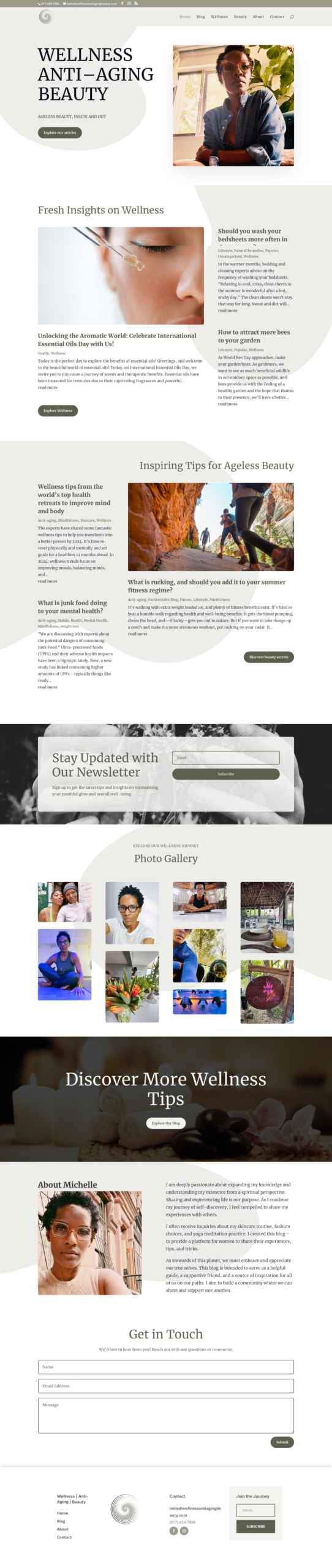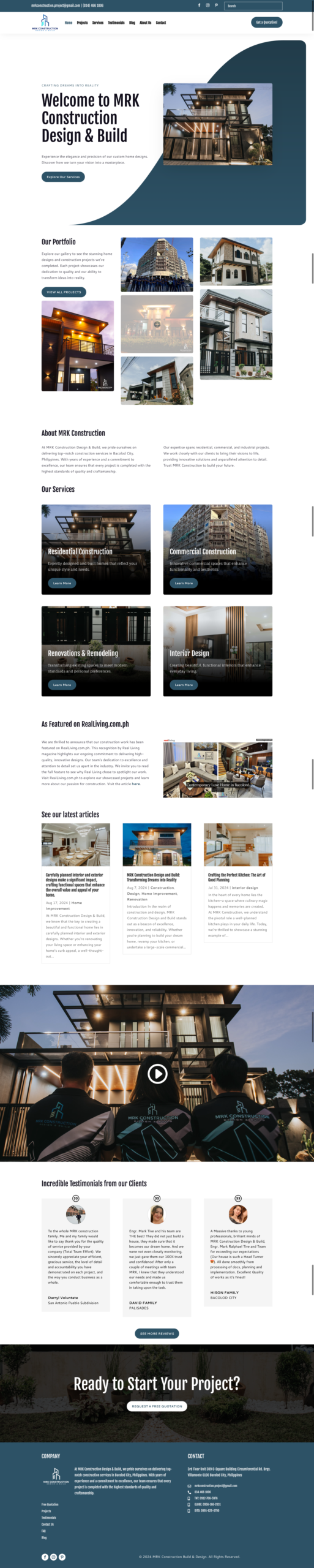
A website redesign is worthwhile when the current site no longer represents the business, supports customers, or produces the inquiries it was built to generate.
A redesign should solve measurable problems—not simply replace one visual style with another. Review how the website performs on mobile devices, how easily customers find information, whether forms work, and whether the content reflects what the business offers today.
1. The site no longer reflects your business
Services, pricing models, locations, team members, and customer priorities change. If the website describes an older version of the company, visitors may receive incomplete or inaccurate information before they ever speak with you.
2. Mobile visitors struggle to use it
Text that is difficult to read, tiny buttons, overflowing layouts, and complicated mobile menus create immediate friction. A modern redesign should start with smaller screens and maintain clear actions at every size.
3. Pages load slowly
Large images, outdated code, excessive plugins, poor hosting, and third-party scripts can make a website feel unresponsive. Performance problems affect customer confidence and reduce the number of people who reach important content or forms.
4. Visitors cannot find key information
If customers repeatedly ask questions already answered somewhere on the site, the information may be poorly organized or difficult to find. Redesigning the navigation and page hierarchy can be more valuable than changing colors or fonts.
5. The design weakens credibility
Broken layouts, inconsistent branding, outdated images, unclear typography, and abandoned sections make a business appear less active. A consistent design helps the quality of the website match the quality customers expect from the service.
6. The website generates few inquiries
Low conversion is often a messaging and structure problem. Visitors need to understand who you help, what you provide, why they should trust you, and what to do next. A redesign can align each page with a clear customer decision.
7. Updating content is difficult
Businesses should be able to update important information without breaking the layout. If every small change requires risky technical work, rebuilding around maintainable components may save time and prevent outdated content.
8. Search visibility has declined
Technical errors, deleted URLs, duplicate pages, weak internal linking, and unhelpful content can reduce search visibility. A redesign must include a redirect plan and preserve valuable URLs; changing every address without mapping the old site can erase years of search history.
9. Security or software is no longer maintained
Unsupported themes, plugins, and server software create operational risk. Sometimes the safest solution is to rebuild the presentation layer while preserving content and URL value.
Redesign, refresh, or rebuild?
- Refresh: improve selected pages, copy, images, and calls to action while keeping the foundation.
- Redesign: change the structure and visual system while preserving the working platform and valuable content.
- Rebuild: replace an outdated or unstable technical foundation and carefully migrate content and URLs.
If you are unsure which level is appropriate, request a free website demo. We can identify the current site's strongest parts and the problems that should be fixed first.