A template is not automatically cheap or generic, and a custom website is not automatically better. The right choice depends on the business requirements and the cost of future change.
What a template-based website means
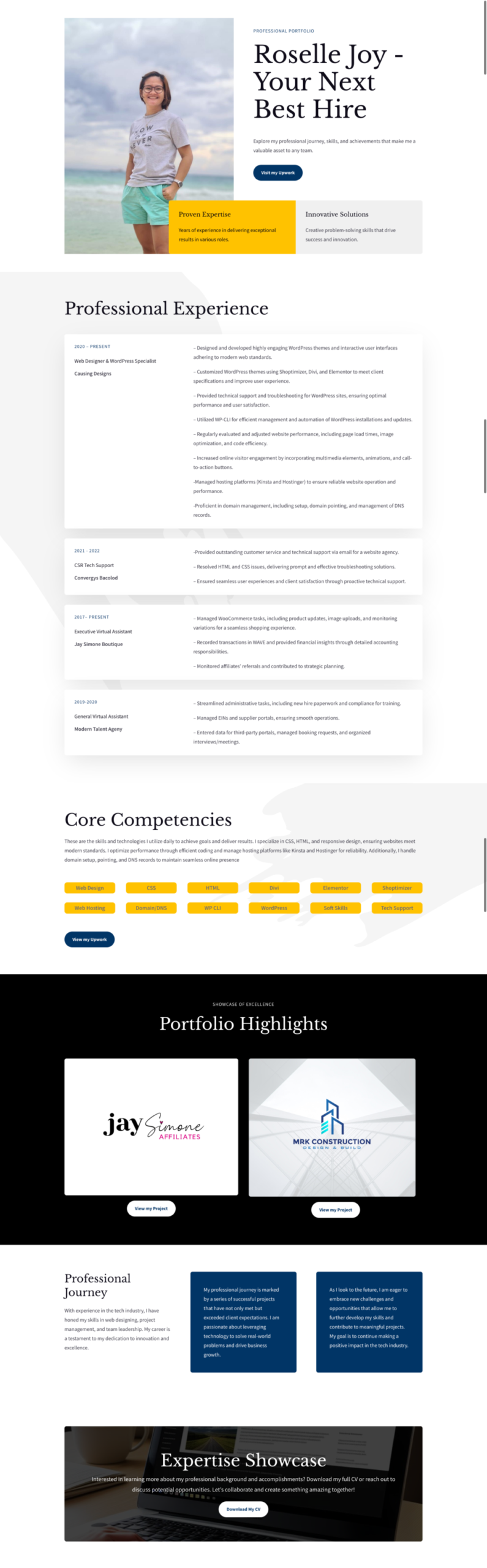
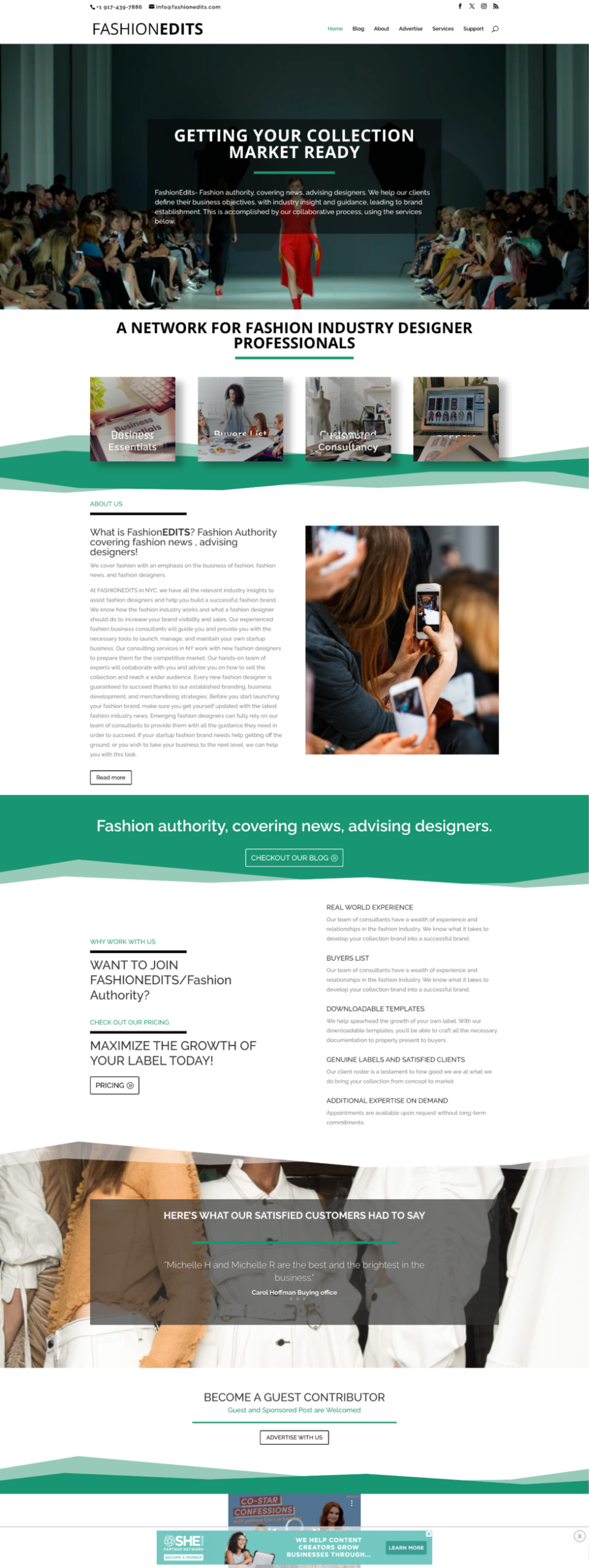
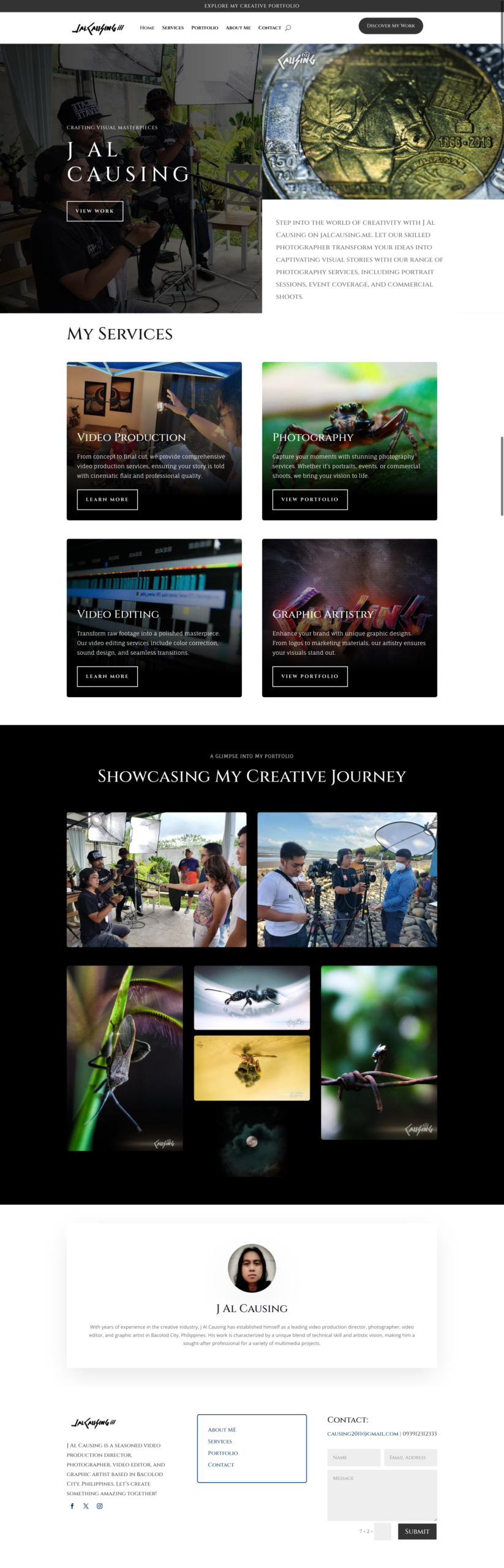
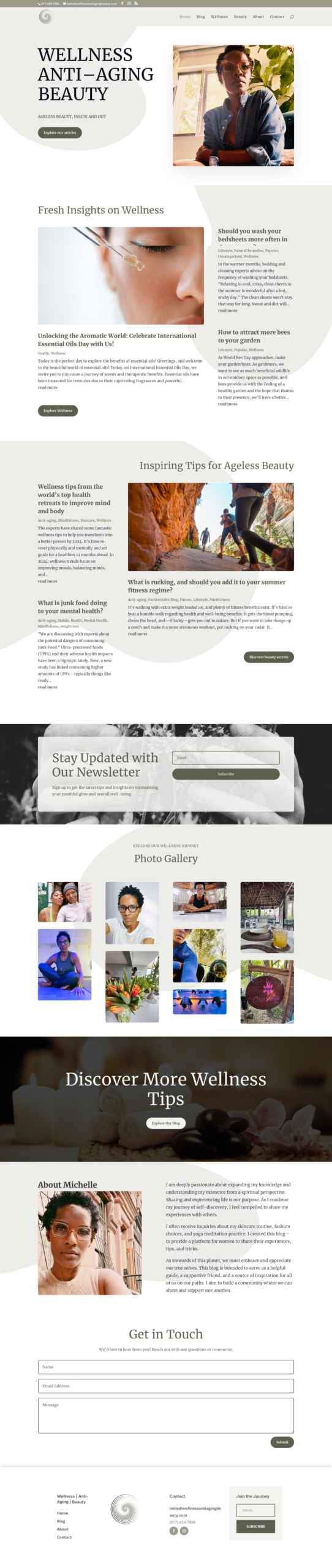
A template provides an established layout and design system that is adapted with your brand, content, and selected features. It can reduce design and development time when the business fits the available structure.
What a custom website means
A custom project begins with the specific audience, content, workflows, and brand. Layouts and components are designed around those requirements rather than selected from a prebuilt page set.
Choose a template when
- The site is small and its requirements are common.
- The budget and launch schedule are limited.
- The brand can work comfortably within an existing design system.
- Specialized integrations or workflows are not required.
Choose a custom approach when
- The website must support a distinctive brand or complex content.
- Customer journeys differ from standard brochure or store layouts.
- The business needs specialized integrations, permissions, or workflows.
- Performance, accessibility, and future expansion need tighter control.
Compare total cost, not only launch price
Consider licenses, customization, maintenance, hosting, content entry, training, and future changes. A low-cost starting point can become expensive if every new requirement fights the template.
Ask the same ownership questions
With either approach, confirm control of the domain, hosting, accounts, content, licenses, and source files. Document what can be moved or changed later.
Use a requirements-first decision
Write down the website’s goals, pages, features, integrations, content responsibilities, and expected growth. Then compare approaches against that list instead of choosing based on appearance alone.
Our guides to professional website cost and choosing a web designer can help with the next decision.